
They Don’t Give a Damn.

You can tell that a restaurant doesn’t give a care about your online experience when you see this on their online ordering menu. Check out our YouTube video.
I know that’s dramatic to say, but I mean every word of it. This is actually my biggest pet peeve with careless online ordering menus and the reason why I created LemonAID in the first place. To be honest, I think this issue’s video might be a little of an unhinged Andy Rooney-type complaint video. Have you ever been so confused ordering food online that you lose your appetite? Don’t you just hate that?

This issue has become more prevalent with the rising popularity of POS driven online ordering menus. People just check a box to post their in-store menu online and forget about it. Literally never considering how it should appear to customers. Even the smallest restaurant concept should take at least 5 minutes to consider what they should and should not put on their online menu. Because 5 minutes is all it takes to realize that this, my biggest pet peeve, should be remedied.
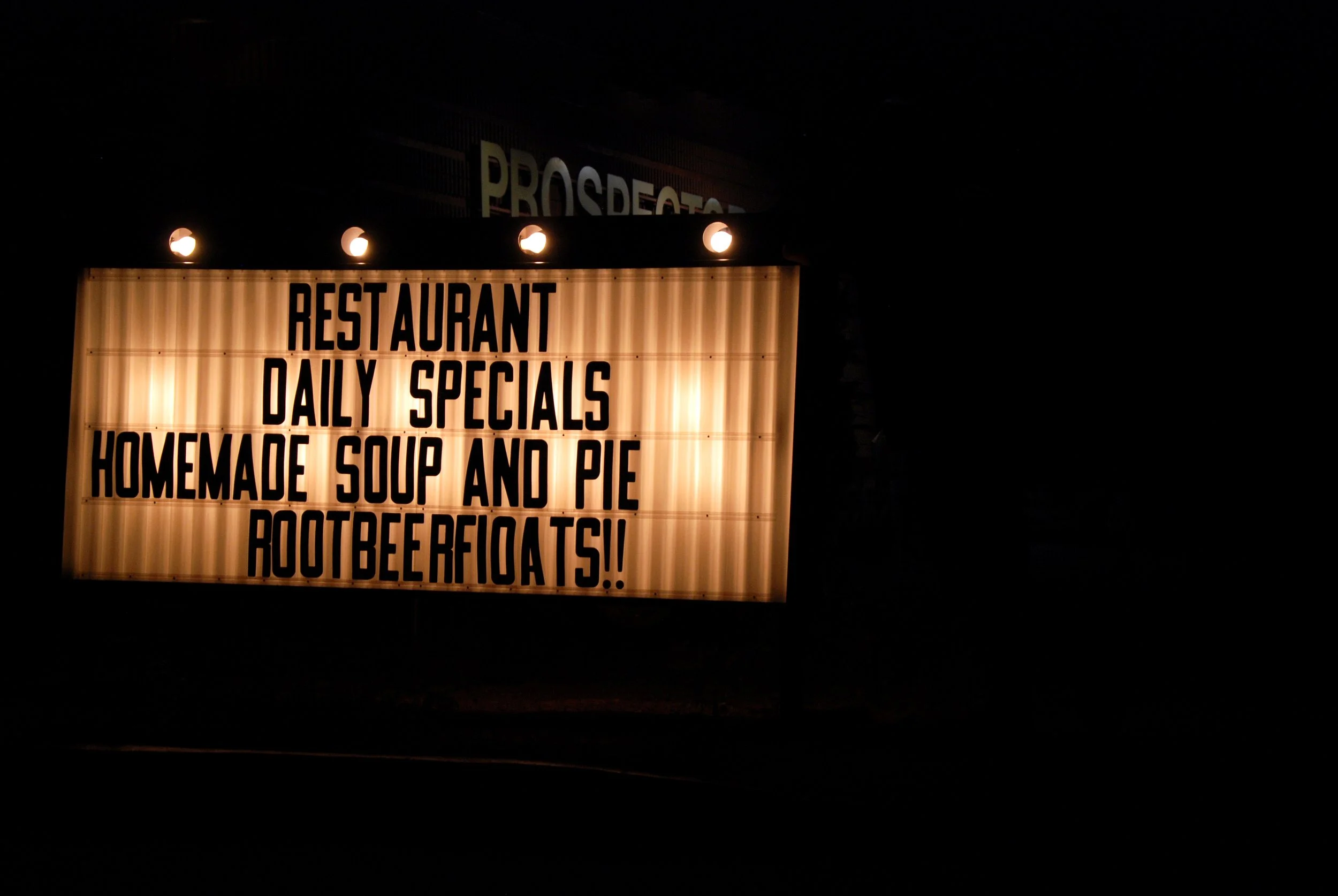
SO. How can you tell that a restaurant doesn’t give a damn about their customers’ online ordering experience?
When they have a “... of the day” or “Seasonal …” on their menu. More specifically, it’s the “Soup of the Day” or “Seasonal Vegetables” items that you see on the in-store menus. Any item where a customer would ask their server for details.
BUT WTH ARE THEY?!
Think about it. It’s awfully autumnal outside and all you want is some homey soup and crusty bread. But you’ve been working all day and you’re exhausted. The last thing you want to do is spend hours slaving over your cutting board and stove trying to make that comfy dinner. So, you choose to order online because you want fuzzy slippers and cozy blankets sooner rather than later. You go to one of your favorite (and close) restaurants to order some soup. Your options are “Soup of the Day” or “Chili with Beans”. How disappointing.
What options are you leaving for that customer if they don’t want Chili? They either need to call the restaurant, take their life in their own hands, order Soup of the Day, and hope for the best, or go somewhere else.
If you are hoping that customers just call the restaurant to find out, you are setting yourself up for failure. Diverting your customers’ attention from your online ordering menu to call the restaurant or check your website for a Soup of the Day schedule, you are contributing to your own abandonment rate on your website. That’s more than just a statistic. When you’re diverting a customer’s attention from the task of ordering from your online ordering menu, you’re giving them the chance to just go somewhere else. You’ve spent THOUSANDS of dollars to get that person to your online ordering menu just to create a situation where you’re begging them to leave. When you divert your customers’ attention, you’re giving them an opportunity to abandon this order and get something easier (from somewhere else).
Rule of thumb: If you tell in-store customers that they need to ask their server for details about a menu item, DO NOT put that item on your online ordering menu.

But why?
It looks like you didn’t give a thought to your customers’ online ordering experience.
If you didn’t think through what to include for your online menu, how much thought have you given to the pickup process in-store? This indicates that your in-store process is likely chaotic or a low priority if your online ordering menu wasn’t optimized for online customer

Depending on what your BOH software looks like, this could mess up reporting and replenishment. If there’s no set recipe for “Soup of the Day” or “Seasonal Fruit” then there’s no way for this software to accurately track it.
Food Cost. If you don’t have a set recipe for an item in your menu, you have no idea what your food cost for that item is. It’s hard to calculate your profit from an entree if you don’t know how much it costs.
P-Mix. If you’ve got several soups and you’ve only got a “Soup of the Day” button, you have no idea how popular each individual soup is.
Let’s say that you’ve got 9 soups that you rotate randomly. The cost of potatoes skyrockets by 1000%. You’ve got 4 soups with potatoes. If you don’t know which soup is popular, then you won’t know whether or not it’s worthwhile to adjust the recipe to keep any of the soups on the menu.
Also, this refuses to take a customer’s personal preferences in mind.
Everyone should be able to order food from restaurants, no matter what their dietary needs may be.. Restaurants that clearly provide information about their food ingredients and dietary considerations will appeal to a broad audience. When you don’t provide information that some potential customers would find important, you can lose out on both sales and the luxury of repeat customers.
I got long COVID. I used to love green bell peppers. Now, 5 years later, they taste like vomit. Pleasant, huh?
I don’t like to waste food so if I got something with green bell peppers, I’d probably choke it down. I wouldn’t be thrilled though. And I definitely wouldn’t be delighted.
When you don’t provide people enough information to figure out if they’d like it or not, you’re robbing yourself of an opportunity to delight a customer. And that’s a tragedy.

Most importantly, you’re disregarding allergens.
The absolute last thing you want, as a restauranteur, is to make someone sick from your food.
When you don’t provide information about what’s on your menu, you run the risk of a customer ordering something that they’re allergic to.
When I first started on the brand side, we had “Seasonal Pie” on the menu. If you’re wondering what radicalized me, this story right here is what did it.
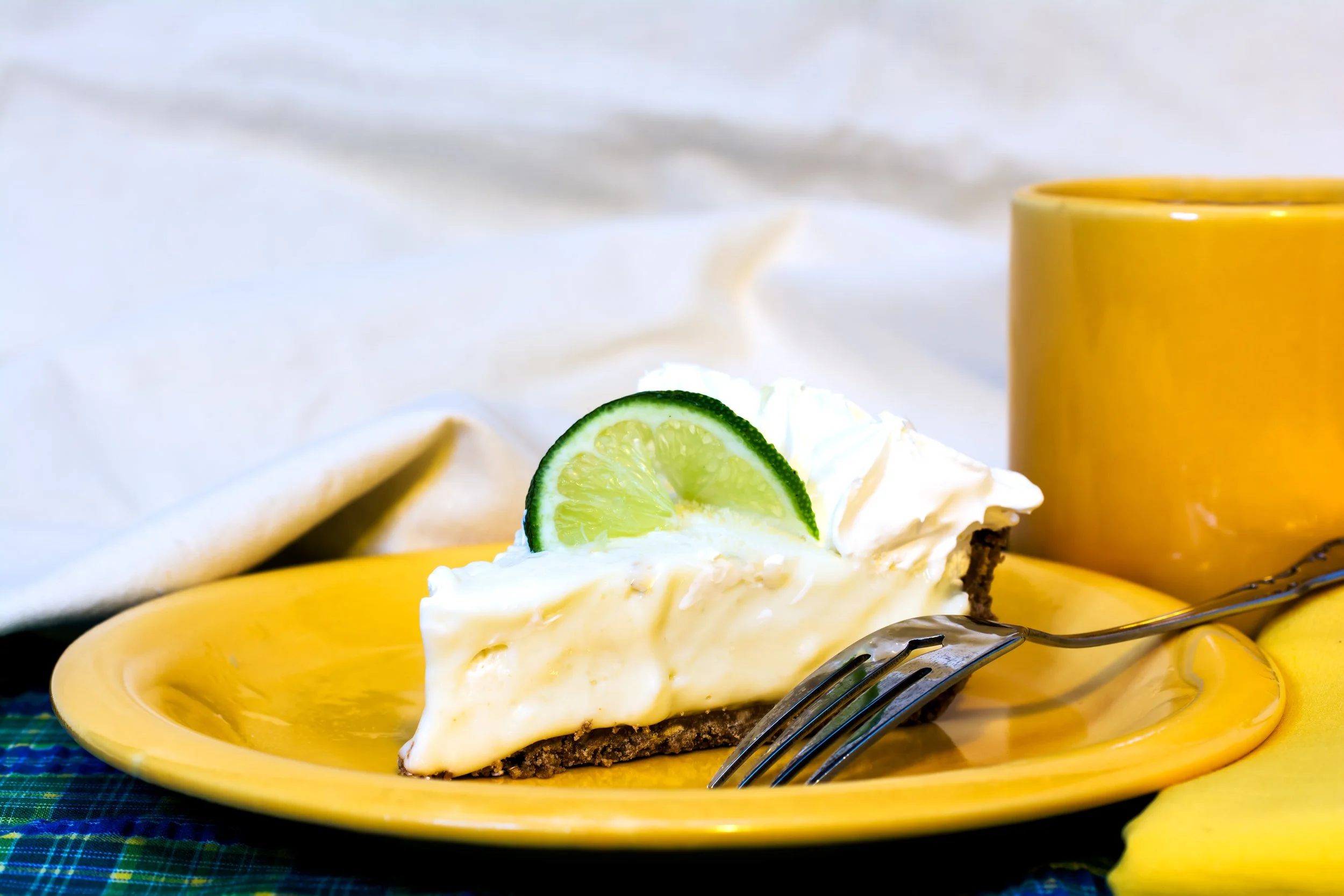
The brand had two pies - Pecan Pie and Key Lime Pie. Online they had “Seasonal Pie” so that restaurants could switch from one to the other without incident. They only swapped pies every 6 months or so. The idea was that you’d probably know which pie they had (if you’d been to the brick and mortar restaurant) except for the few weeks when they migrated from one to the other.
My issue? My mom’s favorite pie is Key Lime Pie. LOVES IT. Conversely, my mom is allergic to Pecan Pie. So, if we ordered seasonal pie during the twice yearly migration, we’d run the risk of either delighting my mom… or giving her anaphylactic shock. Happy Mother’s Day, Mom!
With little resistance, I got the field to agree to update to the actual pies (which were in the POS individually, so I’m still at a loss as to why they put Seasonal Pie on the menu).
Now, I can hear the argument now… “but Crystina, if someone has allergies or food preferences, they wouldn’t order an unknown item.” You’re right. They probably won’t.
The larger point you’re missing is that, if this was the pivotal food item that was the impetus for their order in the first place, they probably won’t order from your restaurant at all, and go somewhere else. You spent tens of thousands of dollars to inform customers of their choices - and ensure that you’re not among them.
What should you do?
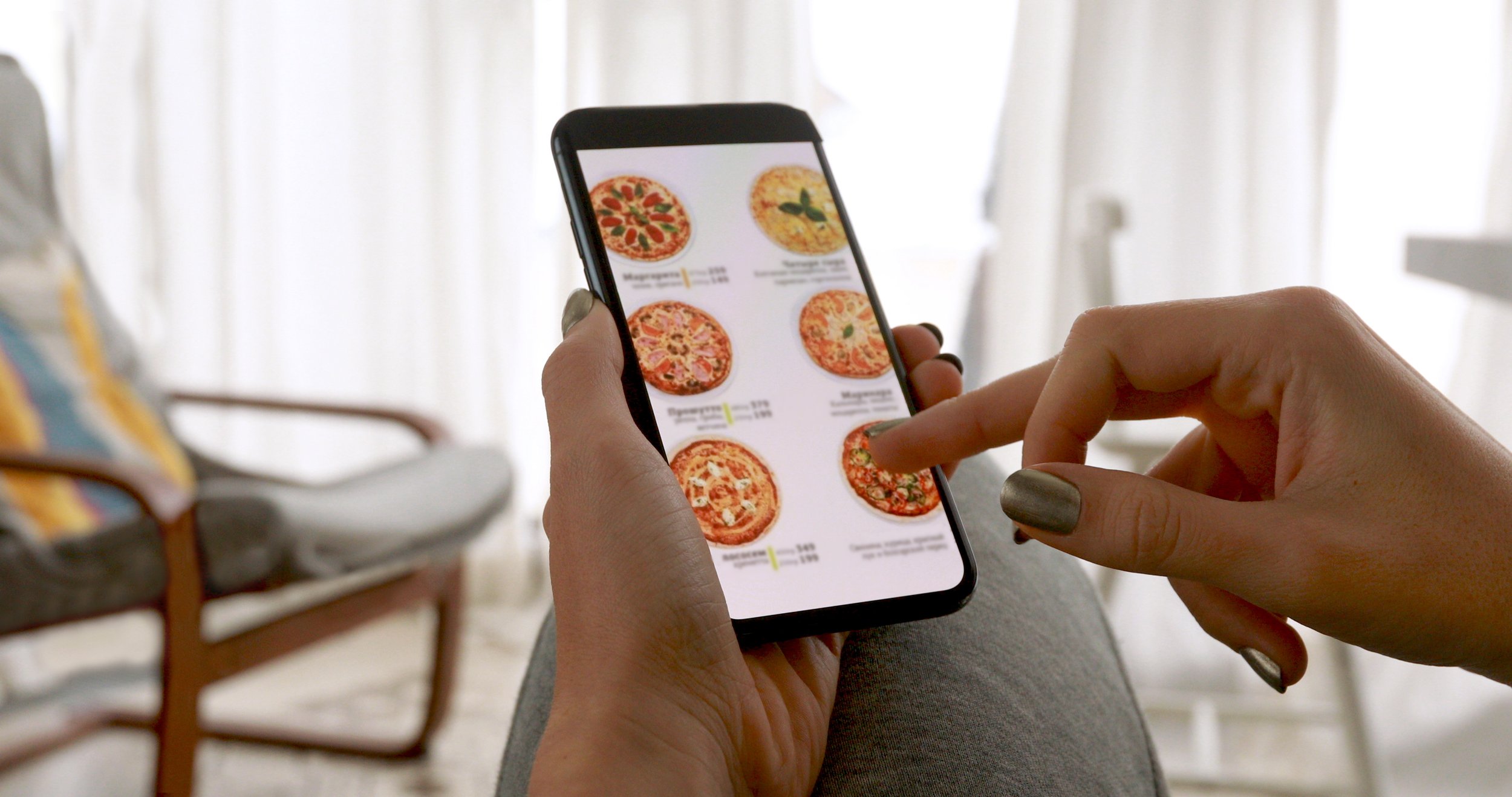
Leave it off the online ordering menu.
You don’t have to add everything to your online menu. And that’s ok. When I worked on the brand side, we found out there was an entree with a 45 minute lead time. It would’ve been best to leave that off the online ordering menu. We should’ve left that off the menu.
If there’s no good way for you to include those vague items on your online ordering menu, just leave them off.
You can also create online only menu items if that will help you provide reasonable substitutions for items that don’t make sense online.
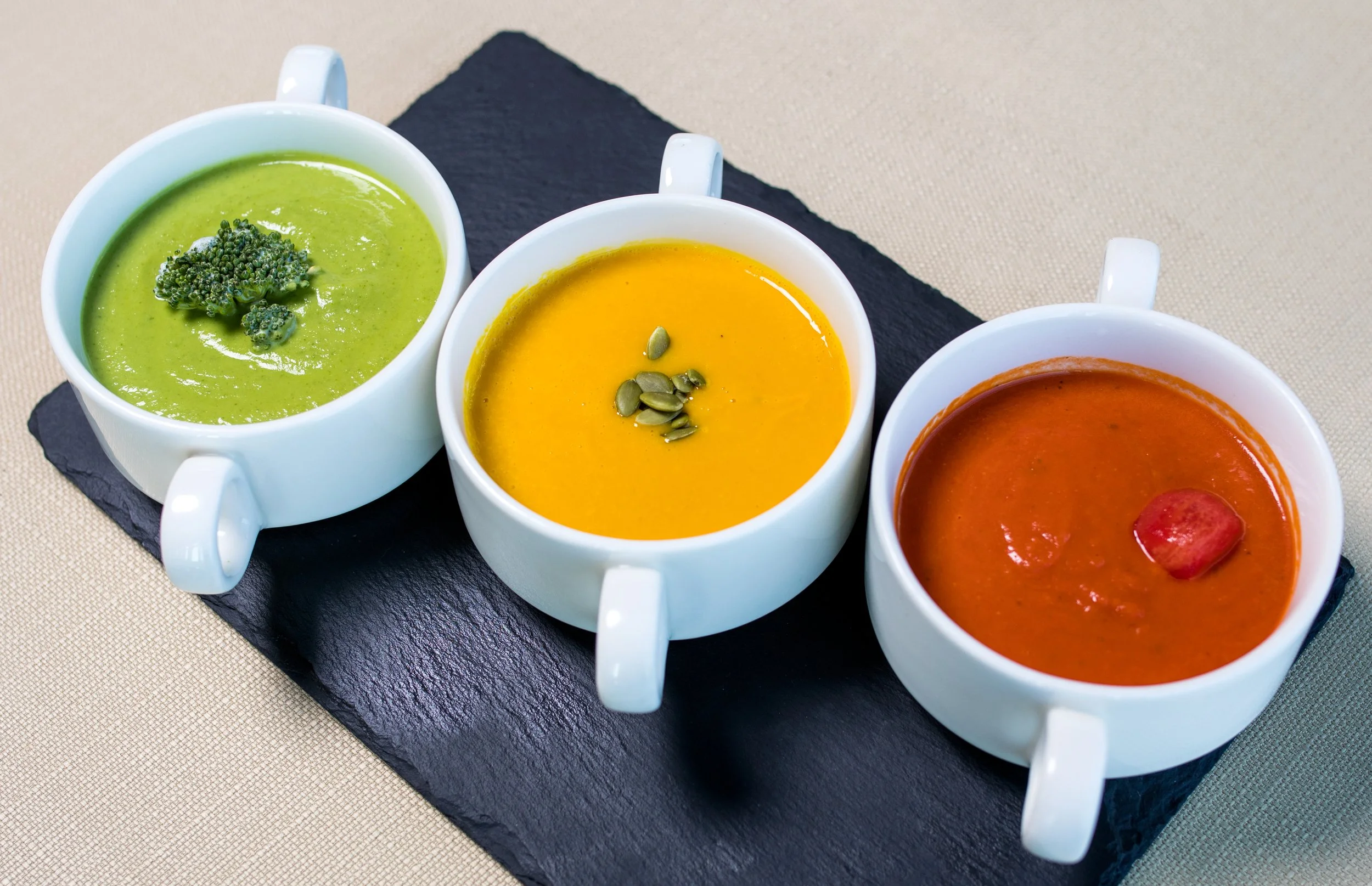
Create Individual Items.
This one might cost you, if your support company creates your POS items, but you’ll gain so much insight.
If you’ve got vague POS items like “Soup of the Day” or “Seasonal Dessert”, create an item each for soups or desserts. Only make them available when you’ve got ‘em in stock.
When you create individual items, you can change the availability either in your POS or in your online ordering software so that item only appears on whatever day it should be available. If there’s no set schedule, put a reminder on the calendar to change it. If neither of these is manageable just leave it off the menu.
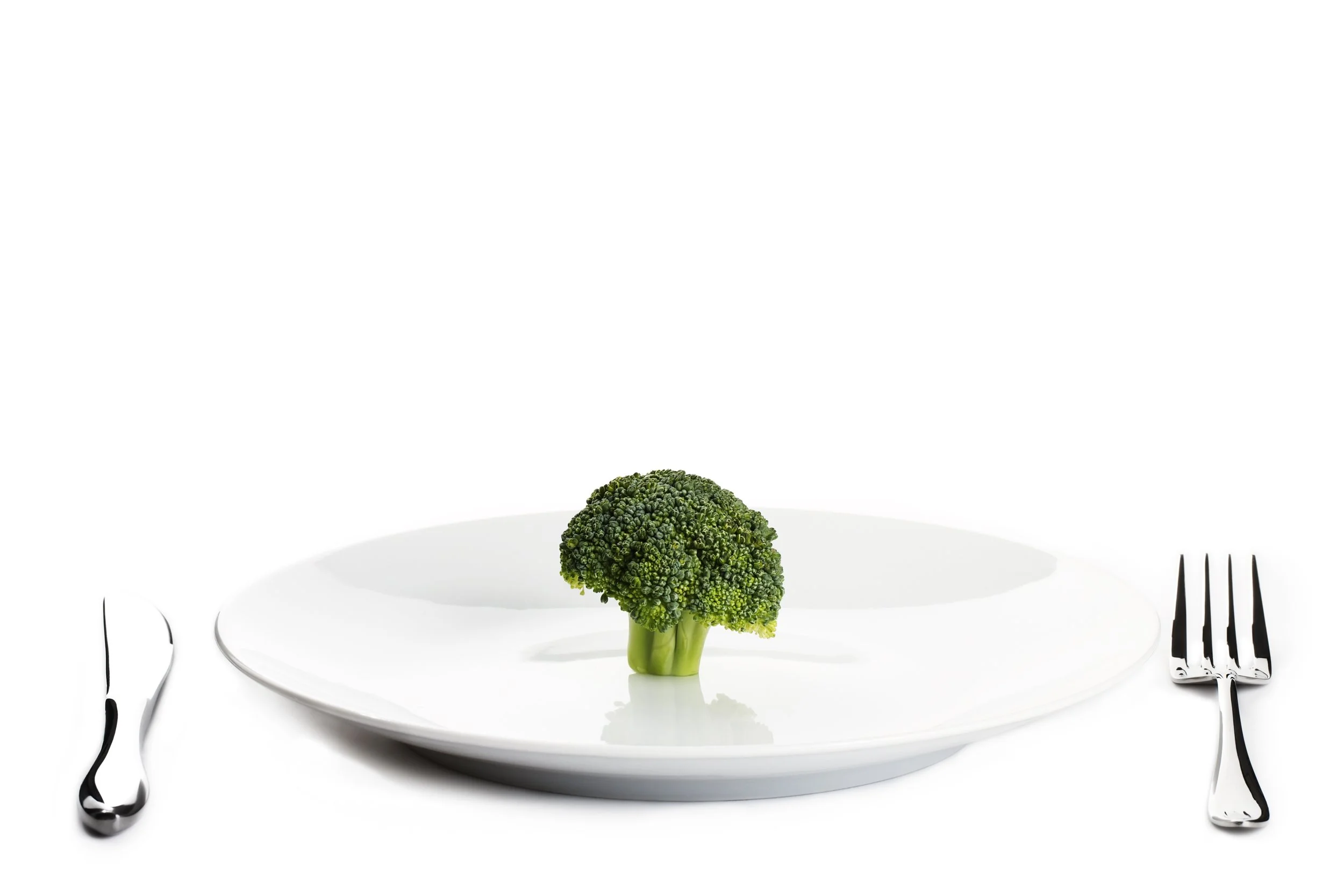
Create Online Specific Versions.
When you have an entree with a “Seasonal Vegetable” side, consider making an online only version with a side you can easily make with frozen veg like broccoli or green beans. You can still have your in-store version where you can switch the vegetables as you see fit. Making an online version that has a very clear side item will get ordered more often.
Extra Bonus Points!

Vague entrees, desserts, and side items are easy to remedy for online ordering. Another opportunity to ensure customers have a full understanding about what they’re ordering is refining your menu descriptions.
In your item descriptions online, be transparent about what is part of that entree. Describing vegetables, dairy products, and nuts can help people identify hidden allergens that they might’ve missed otherwise.
If a menu item can be prepared without some of those items, make a modifier where they can remove ‘em. This will help engender trust with your customers and encourage them to order from you again. People love restaurants that they can trust. More importantly, customers return to restaurants that they can trust.
Conclusion

No matter the size of your organization, always look at your online ordering menu with fresh eyes. Assume that people looking at your menu have never stepped foot in your restaurant, because a lot of them have not.
Talking to the folks that work in your restaurants to get any feedback about complaints due to menu vagueness can be incredibly helpful. They’ll see complaints more clearly than you will and their insight can help you improve your online ordering menu.
It also might be a good idea to have a friend or family member look over your online menu and provide some notes. It’s sometimes easier to see when you’re not too close to the menu. Giving that person a gift card to use online can be a motivator for a thorough evaluation.
If you’ve exhausted the avenues above and you still want to tighten up your online ordering menu, feel free to reach out. I’d be happy to work with you to improve your online ordering menu. You can dm me on LinkedIn or via the contact page on my website.
Don’t forget to subscribe to this newsletter so you are always part of the restaurant online ordering conversation!